
We live in an era where an algorithm can generate a photo-realistic scene in under four seconds. With prompts typed into Midjourney, DALL-E, or Sora, virtual worlds materialize with pristine symmetry, flawless lighting, and impossible clarity. It is tempting for brands and creators to look at these tools and ask: Has traditional photography reached its expiration date?
At Mirror Multimedia Communications, we navigate the forefront of digital strategy and visual storytelling every day. While we embrace technological evolution, our answer to that question is an emphatic no. AI can synthesize pixels, but it can never capture the living, breathing human experience.
Here is why real photography remains, and will forever be, an irreplaceable art form.
1. Photos Capture History; AI Synthesizes Memory
The core value of a true photograph lies in its relationship with reality. A photograph is an eye-witness document. It is physical evidence that a specific moment existed in time; light bounced off a real human being, passed through glass elements, and burned itself onto a digital sensor or film pane.
AI generation, by contrast, creates statistical averages derived from millions of existing references. It is a mathematical prediction of what an image should look like, not a testimony of what was. When you look at a wedding photo, a major corporate milestone, or a documentary shot, its emotional weight stems from its truth. An AI-generated image of a moment that never happened carries zero historical weight.
2. The Magic of Unscripted Imperfection
Algorithms optimize for visual perfection. They crave symmetry, ideal skin textures, and perfectly balanced golden-hour highlights. Yet, true human emotion rarely lives in perfection.
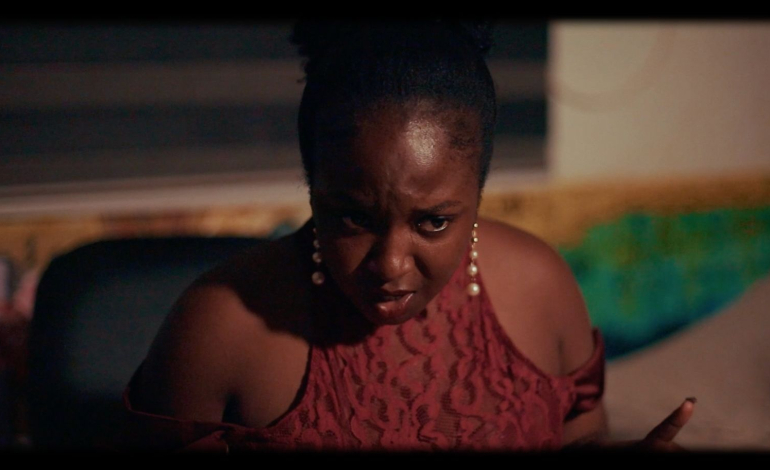
Think about the most iconic photos in modern history: the subtle smirk of a founder mid-pitch, a tear breaking through mascara, or the erratic splash of water at a live performance. Real photographers and media directors know that the best frames are born from unexpected chaos: a sudden shift in weather, an unscripted laugh between takes, or raw ambient light. AI lacks the capacity for serendipity. It cannot be surprised, and therefore, it cannot surprise us with genuine emotion.
3. Collaboration, Intimacy, and Nuance
A photo shoot is not just a technical exercise; it is an intimate human collaboration. A master photographer does not simply push a button. They communicate with the subject, put them at ease, read body language, adjust tone, and cultivate an atmosphere where vulnerability can emerge.
When working with corporate clients, lifestyle brands, or executive leaders, Mirror Multimedia relies on this dynamic. You cannot prompt a computer to build rapport with a camera-shy CEO so they look commanding yet approachable. The chemistry between a photographer and their subject is a human-to-human bridge that silicon chips cannot replicate.
4. The Authenticity Crisis & The Trust Economy
As the internet becomes inundated with synthetic visuals, audience skepticism is at an all-time high. Consumers are developing an acute radar for “synthetic polish.” In modern branding and corporate communications, trust is currency.
When a company uses real photography featuring its actual team, real products, and genuine workplace culture, it communicates integrity. Relying on synthetic imagery creates a disconnect, a visual “uncanny valley” that erodes audience trust. Real photography signals confidence: “This is who we genuinely are.”
Conclusion: Coexistence, Not Extinction
AI is a fascinating tool for concept art, mood boards, and rapid ideation. But it is a generator, not a visual historian. At Mirror Multimedia Communications, we believe technology should amplify human storytelling, never substitute it.
When you want to capture authentic trust, genuine emotion, and real impact, there is no replacement for the human eye behind the lens.
Stay in the loop- get occasional updates from Mirror Multimedia Communications on new work and case studies.